top of page


Is Chinaberry Tree Toxic to Dogs or Cats?
Toxicity to Dogs:

Toxic
Chinaberry Tree
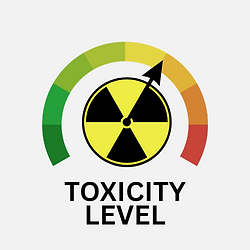
Mild
Toxicity to Cats:

Toxic

Overview:
Contains meliatoxins; causes vomiting, diarrhea, seizures, and death in pets.
Typical Symptoms:
Mild vomiting, diarrhea, drooling, skin irritation
What to Do if Your Animal Eats This Plant:
If you suspect your dog or cat has chewed on or ingested this plant, remove any remaining plant material from their mouth and rinse their mouth gently with water. Contact your veterinarian immediately or call the ASPCA Animal Poison Control Center at 888-426-4435 for professional guidance. Do not induce vomiting or give home remedies unless specifically directed by a veterinary professional.
Also Known As:
Bead Tree, China Ball Tree, Paradise Tree, Persian Lilac, White Cedar, Japanese Bead Tree, Texas Umbrella Tree, Pride-of-India
Scientific Name:
Melia azedarach
Family:
Plant Type:
Meliaceae
Tree/Shrub
Typical Use:
USDA Zones:
Outdoor
USDA zones 5-9
Disclaimer: This website provides general educational information about plant toxicity and is not a substitute for professional veterinary advice, diagnosis, or treatment. Always seek the advice of your veterinarian or another qualified animal healthcare provider with any questions you may have regarding your pet’s health or a potential poisoning. In case of an emergency, contact a licensed veterinarian or the ASPCA Animal Poison Control Center (888-426-4435) right away.
bottom of page